A world behind a veil.
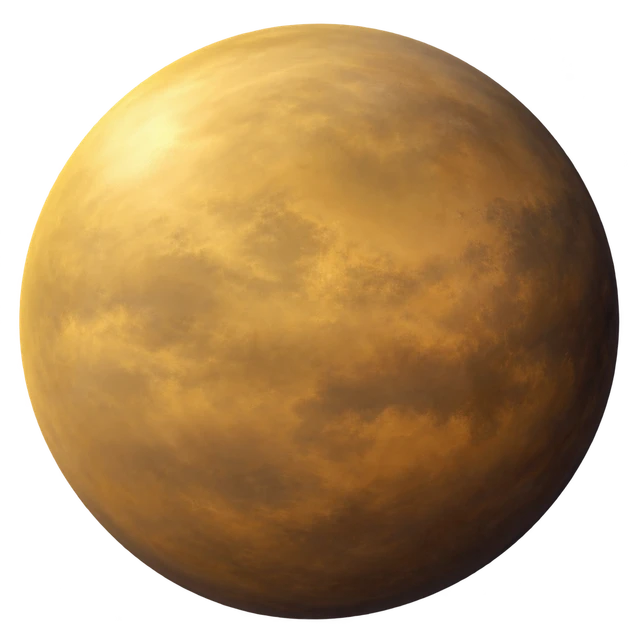
Titan’s thick atmosphere hides its surface in visible light. Haze softens the landscape and turns the sky into a muted glow. Unlike most moons, it has enough atmosphere to support a complex cycle of clouds and weather.
Rain that is not water.
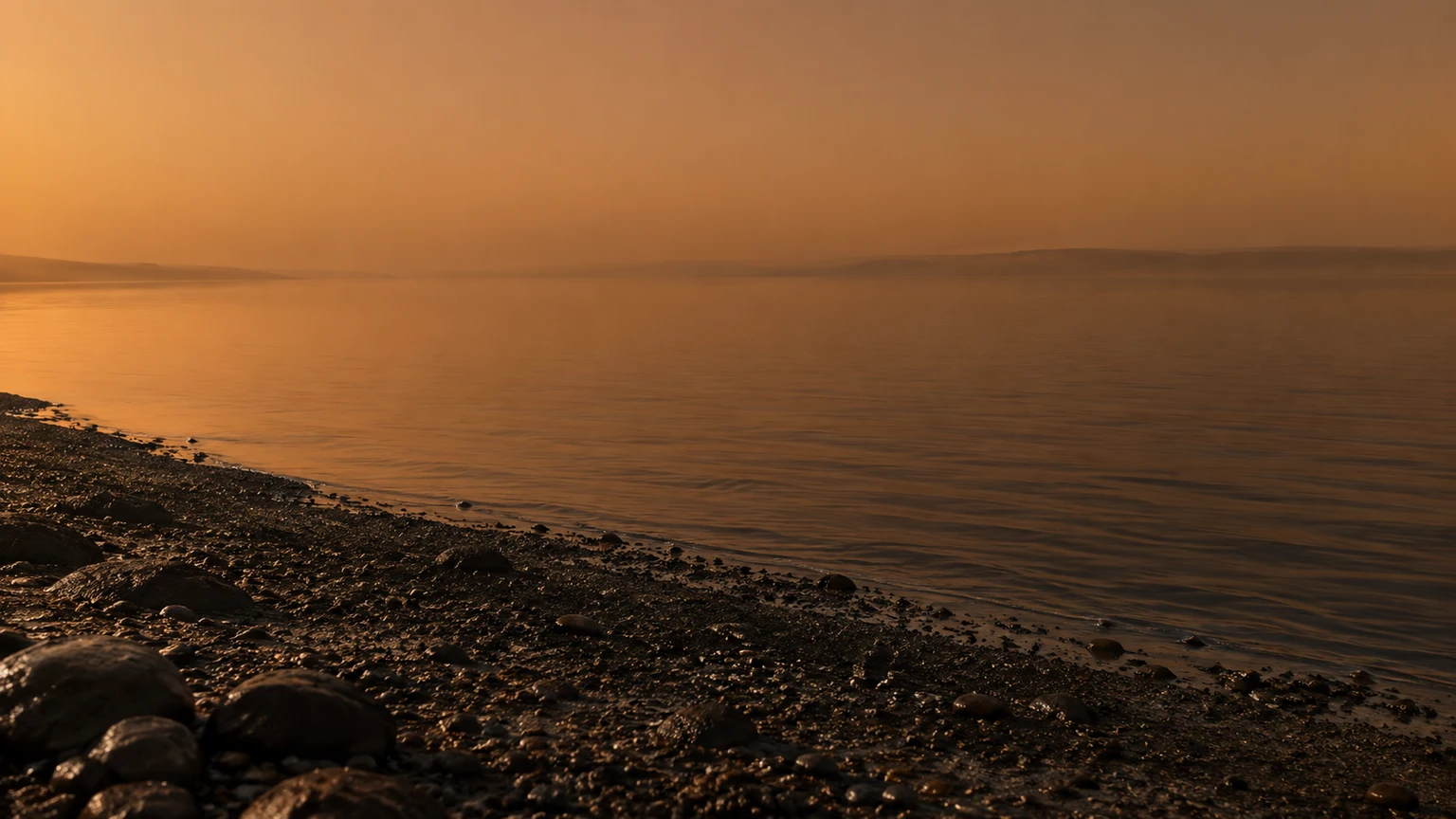
Methane and ethane can remain liquid at Titan’s extreme cold. They collect in lakes and seas and participate in a cycle of evaporation and rain. Water ice, meanwhile, forms part of the solid ground.
Ice plays the role of rock.
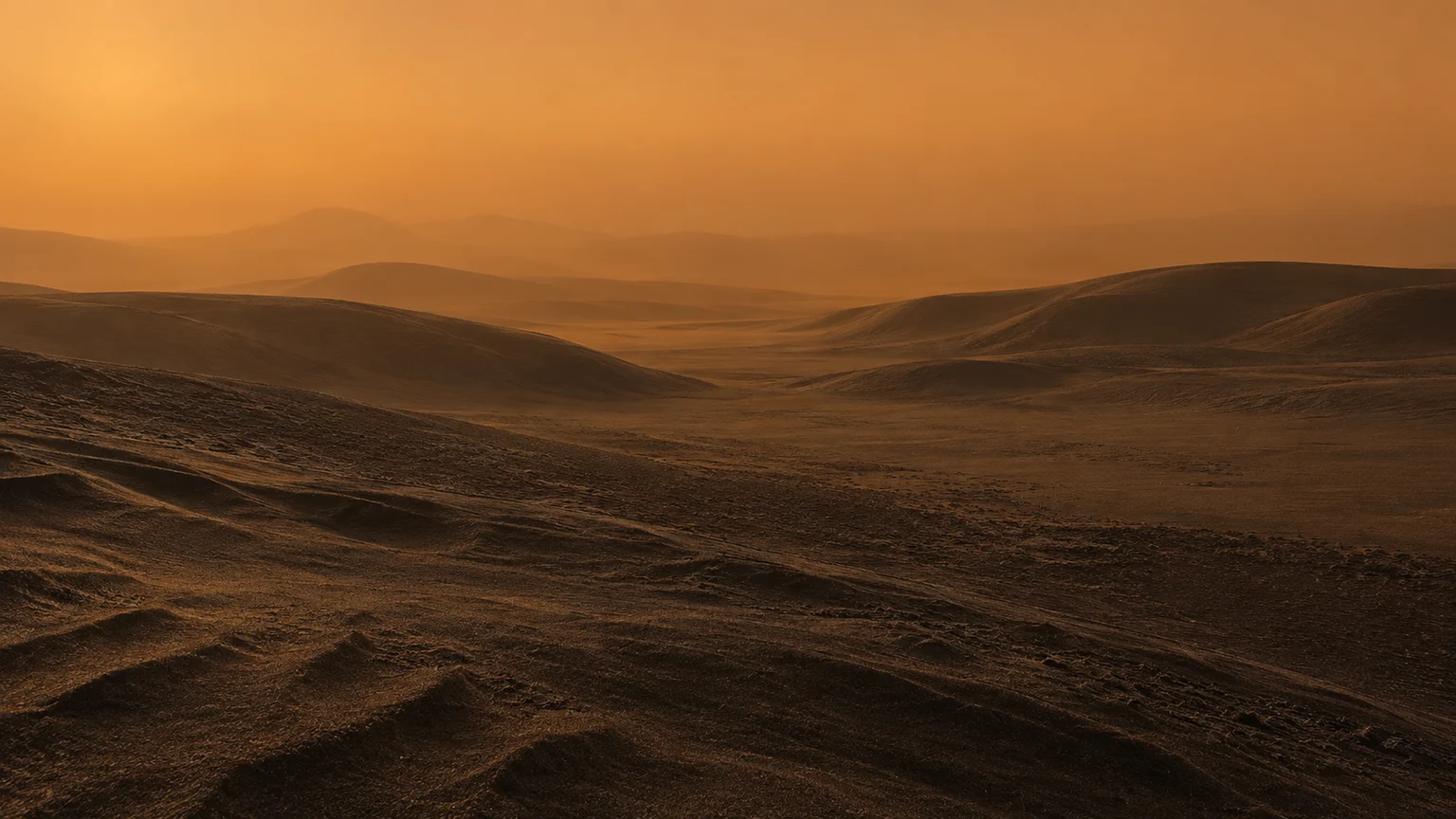
Rounded icy cobbles and dark organic-rich sediments make some scenes look deceptively familiar. Dunes and channels reveal transport across the surface. Their materials and temperatures would make the experience profoundly different from a riverbank on Earth.
An experiment without an answer yet.
Titan’s organic chemistry makes it valuable for studying processes relevant to life’s origins. Organic molecules are not organisms. The presence of complex chemistry, or a proposed internal water reservoir, does not establish that anything lives here.