PSR B1257+12 SYSTEM / PLANETARY DOSSIER

PSR B1257+12 b

Draugr: the small inner planet whose existence appears in pulsar timing.
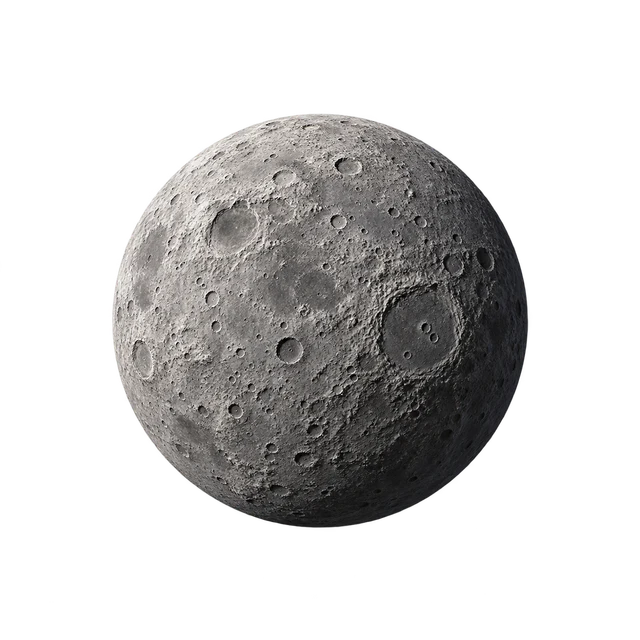
Artist’s impression of PSR B1257+12 b; appearance and diameter are unconfirmed
Pulsar planet · Draugr

A tiny world hidden in a stellar clock.

Environment ↗

02
ATMOSPHERE

Not measured

DIAMETER
Not measured
POSSIBILITY FOR LIFE
Not established
WITHOUT PROTECTION
No survivable environment established

Mass comparison ↗

04
MODEL MASS0.02 × Earth

± 0.002 Earth masses

Timing mass with an assumed 50° inclination.
PSR B1257+12 B

Instrument detail

Artist’s impression of PSR B1257+12 b

Artist’s impression · appearance and diameter are unconfirmed.

Two naming systems, one world.

Draugr is modern planet b. Older publications call it planet A. This entry uses the modern lower-case lettering throughout.

An orbit written into pulse arrivals.

The adopted timing solution gives a 25.262-day orbit and semimajor axis of about 0.19 AU. The pulsar acts as a precise clock whose apparent arrival times shift as its position changes.

Mass does not reveal a landscape.

No surface has been photographed. Craters, cliffs and colors in these scenes are deliberately hypothetical. Without a measured radius, the mass alone cannot determine surface gravity or distinguish possible internal compositions.

A small mass with an assumption.

The estimate is about two hundredths of Earth’s mass, contingent on the adopted orbital inclination. The apparent globe size in this atlas is an illustration and does not turn that estimate into a measured diameter.

Size, mass and atmosphere

DIAMETER / EARTH

Not measured.

The radius has not been measured; the illustration does not establish its size.

SIZE UNKNOWN
MODEL MASS / EARTH
  • PSR B1257+12 b · model0.02 ± 0.002 M⊕
  • Earth · reference mass1.00 M⊕

Shared scale: 0–5 Earth masses. Timing mass with an assumed 50° inclination. Adopted values assume a 1.4-solar-mass pulsar. The inner planet’s inclination is assumed, not independently measured.

ATMOSPHERE / COMPOSITION

Not measured

Pulsar timing reveals orbital motion, not the atmosphere. The rocky airless appearance is one imagined scenario; neither an atmosphere nor its absence is established by these pictures.

Habitability

NATURAL CONDITIONSNot established

The pulsar’s radiation and particle environment differs profoundly from sunlight. Planetary composition, shielding and atmospheric conditions remain unknown; an Earth-like mass cannot establish habitability.

HUMANS / WITHOUT PROTECTIONNo survivable environment established

No breathable air, safe pressure or measured surface climate is known. Assigning a survival time would be speculation.

DIAMETER
Unknown
ATMOSPHERE
Unconfirmed
SURFACE TEMPERATURE
Unknown
HOST
Millisecond pulsar

A year around PSR B1257+12

25.262 Earth days

Semimajor axis: 0.19 AU. One astronomical unit is approximately the mean Earth–Sun distance.

The overview is a schematic: sizes, orbital shape and the planet’s position are illustrative. It does not show a measured eccentricity, the orbit’s orientation or a live position.

The adopted timing solution gives a 25.262-day orbit and semimajor axis of about 0.19 AU. The pulsar acts as a precise clock whose apparent arrival times shift as its position changes.

Published research / NASA Exoplanet Archive · orbital measurements ↗
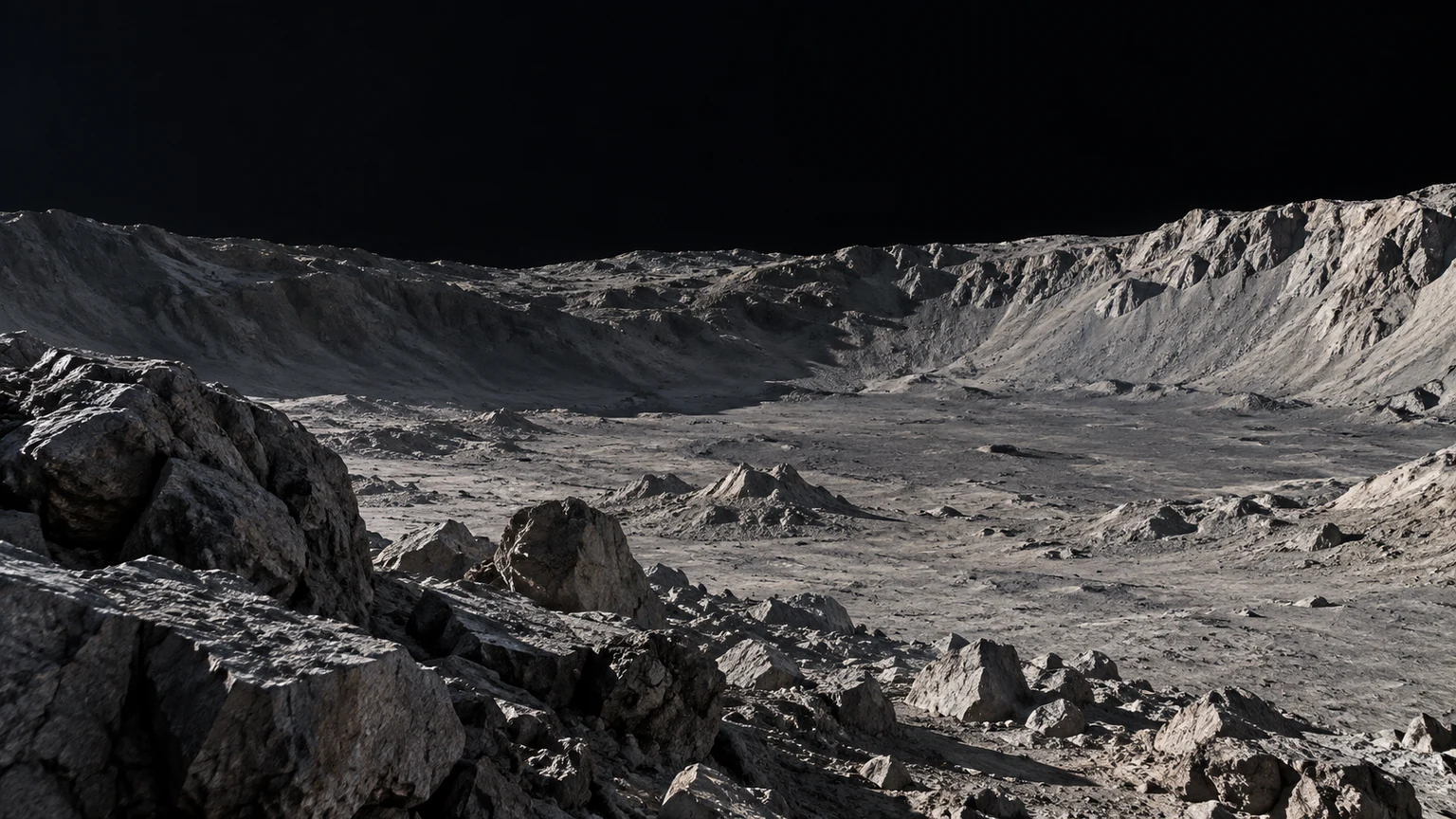
Hypothetical artist’s impression of Draugr. An exposed rocky basin is one possible visual scenario. The terrain, composition, lighting and airless appearance are not observations of this planet. Any visible beam is a conceptual depiction of pulsar radiation.

An imagined crater floor

Hypothetical artist’s impression of Draugr. An exposed rocky basin is one possible visual scenario. The terrain, composition, lighting and airless appearance are not observations of this planet. Any visible beam is a conceptual depiction of pulsar radiation.

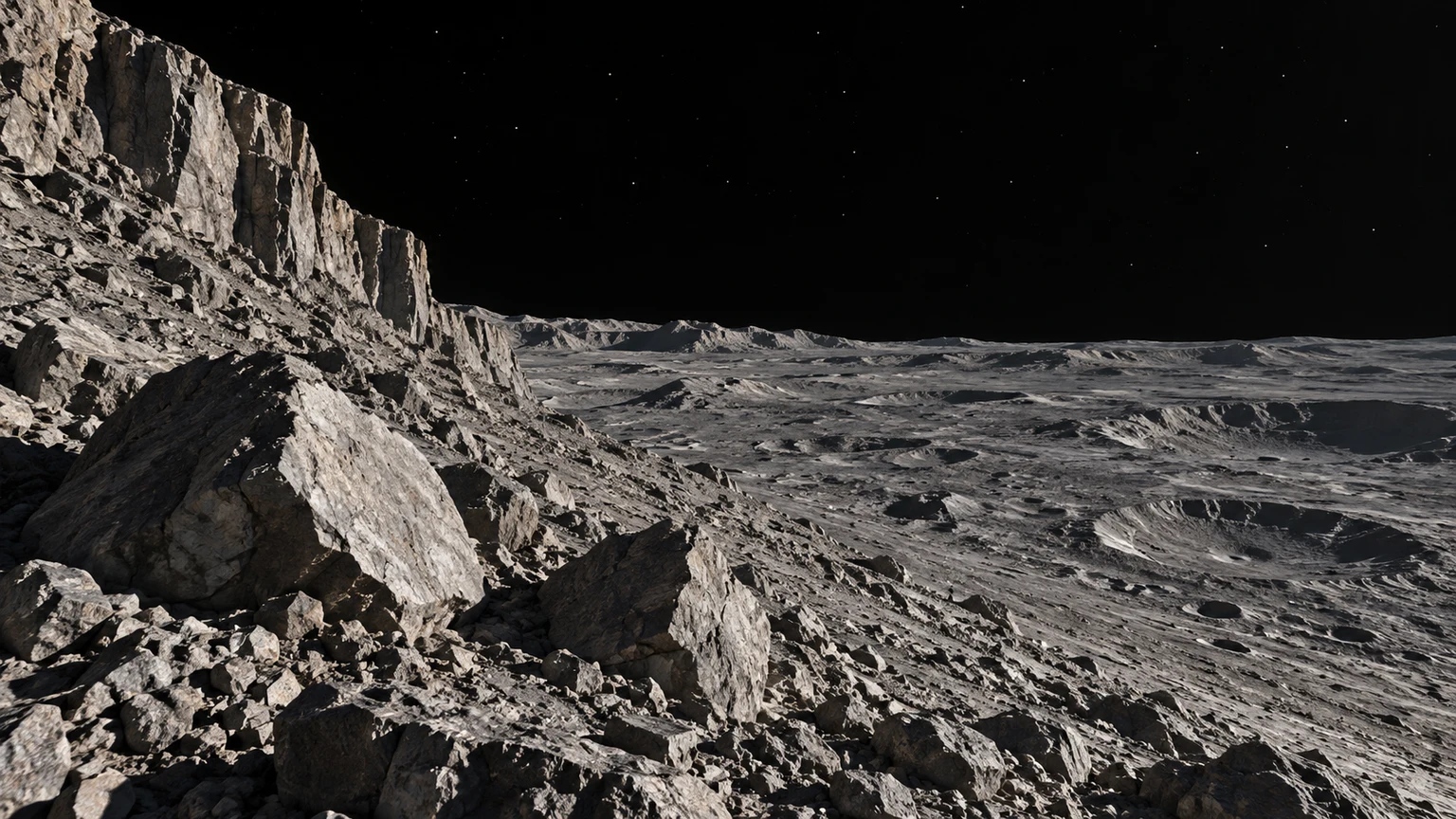
Hypothetical artist’s impression of Draugr. Cliffs and rubble provide an imagined close perspective. The terrain, composition, lighting and airless appearance are not observations of this planet. Any visible beam is a conceptual depiction of pulsar radiation.

A broken horizon

Hypothetical artist’s impression of Draugr. Cliffs and rubble provide an imagined close perspective. The terrain, composition, lighting and airless appearance are not observations of this planet. Any visible beam is a conceptual depiction of pulsar radiation.

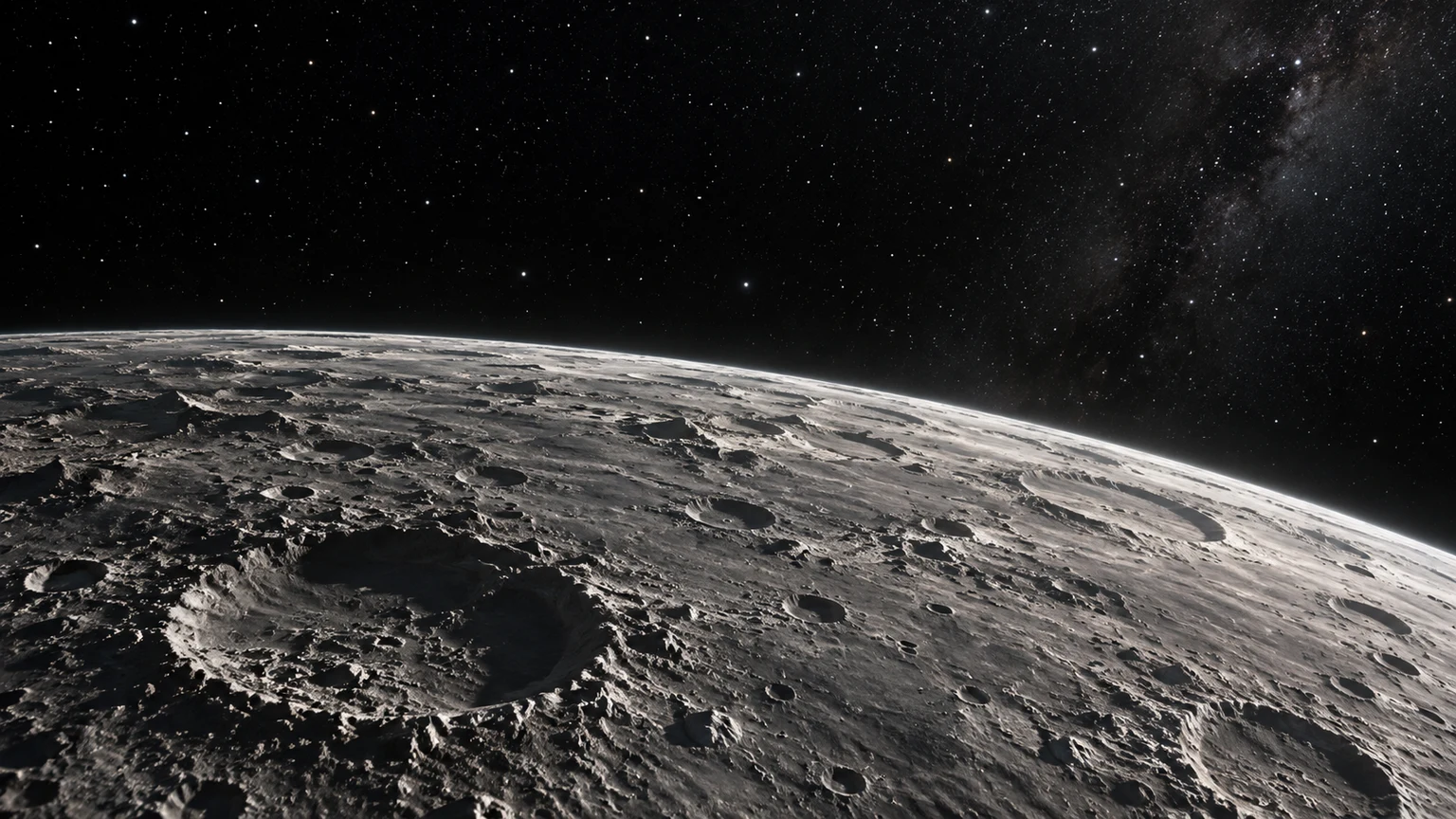
Hypothetical artist’s impression of Draugr. A high view reveals a fictional cratered landscape. The terrain, composition, lighting and airless appearance are not observations of this planet. Any visible beam is a conceptual depiction of pulsar radiation.

Beyond the surface

Hypothetical artist’s impression of Draugr. A high view reveals a fictional cratered landscape. The terrain, composition, lighting and airless appearance are not observations of this planet. Any visible beam is a conceptual depiction of pulsar radiation.

Planet and landscape images are hypothetical artistic interpretations.