NEPTUNE SYSTEM / SATELLITE DOSSIER

Naiad

Naiad is a small elongated moon close to Neptune, following a tilted orbit coupled to neighboring Thalassa.

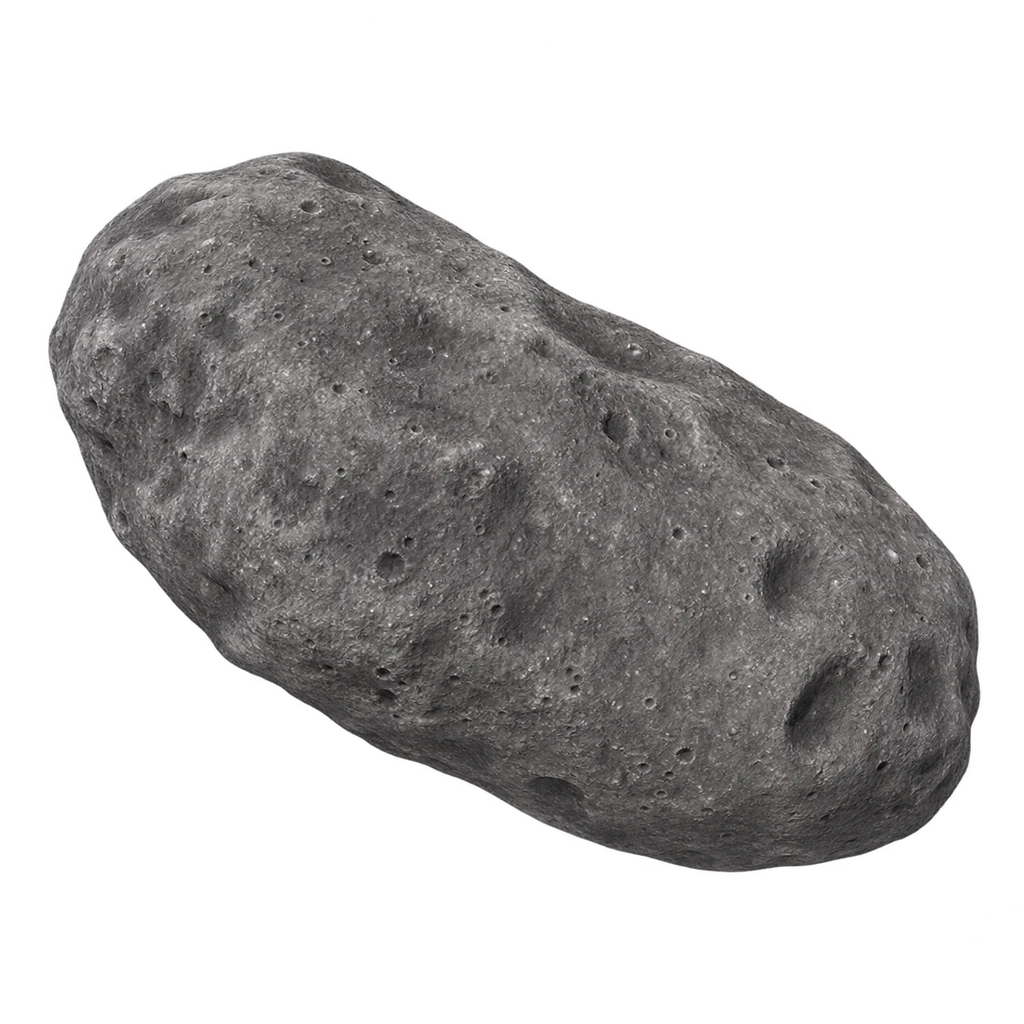
Artist’s impression of Naiad

Naiad is a small elongated moon close to Neptune, following a tilted orbit coupled to neighboring Thalassa.

DIAMETER / EARTH0.0046×
EARTHNAIAD
ATMOSPHERE
No substantial atmosphere detectedEffectively airless
SURFACE TEMPERATURE
Cold exposed surface
SURFACE PRESSURE
Effectively airless
HABITABILITYNo life detected
UNPROTECTED HUMANSNot survivable

Interior ↗

03
Unresolvedinternal structure

Moon system ↗

04
Neptune moon orbitsSelected moons, ordered outward. Orbit sizes and positions are schematic; relative periods are preserved.NEPTUNENAIADTHALASSADESPINAGALATEALARISSAHIPPOCAMPPROTEUSTRITONNEREID
NAIAD

Instrument detail

Naiad orbitElliptical orbit viewed along the orbital axis, relative to Neptune. Motion is accelerated, not a live position. Distances are center to center.NEPTUNENAIAD≈ 48,200 km
ONE ORBIT0.293980 Earth days around Neptune
Closest to Neptune
48,200 km
Farthest from Neptune
48,200 km

Naiad circles Neptune. Distances are measured between the centers of the two bodies.

Naiad and Thalassa have a three-dimensional resonant relationship. This mean circular path omits orbital inclination, vertical separation and their coupled motion; it is not a simulation of close approaches.

Naiad rotationEqual elapsed time, with sidereal rotation rates and directions. Axial tilt and relative sizes are not shown.NAIAD7.1 hoursEARTH23.9 hours
ONE ROTATION7.1 hours

One turn per orbit

The standard orientation model is approximately synchronous: Naiad turns roughly once per orbit, keeping broadly the same hemisphere toward Neptune. The rate comparison omits axial tilt and fine pole variations.

Satellite atlasMoons
Neptune moon orbitsSelected moons, ordered outward. Orbit sizes and positions are schematic; relative periods are preserved.NEPTUNENAIADTHALASSADESPINAGALATEALARISSAHIPPOCAMPPROTEUSTRITONNEREID
FEATURED MOONS09
  1. 01Naiad0.29398 days
  2. 02Thalassa ↗0.311078 days
  3. 03Despina ↗0.334656 days
  4. 04Galatea ↗0.428744 days
  5. 05Larissa ↗0.554989 days
  6. 06Hippocamp ↗0.95039 days
  7. 07Proteus ↗1.1223 days
  8. 08Triton ↗5.88 days
  9. 09Nereid ↗360.133039 days

A family of moons circles the planet.

Triton travels in the opposite direction to Neptune’s rotation. Naiad and Thalassa have a three-dimensional resonant relationship; this flat schematic does not show their orbital inclinations or vertical separation.

Naiad gravityEqual launches at 2 m/s; shared metre scale; air resistance ignored.0 m100 m200 m300 mEARTH9.80 m/s²NAIAD0.01 m/s²NOMINAL ESTIMATE
NAIAD / EARTH GRAVITY0.0010 ×

This is a nominal spherical GM/r² estimate. JPL gives GM = 0.00853 ± 0.00480 km³/s² and mean radius 29 ± 6 km. Mass and size uncertainty are substantial; shape, tides and rotation add local differences.

Same push, different gravity

Both balls launch at 2 m/s, using the same height and time scales. Weaker gravity gives a higher jump and a longer time in the air. Air resistance is ignored. This idealized comparison uses constant spherical gravity GM/r²; local terrain, tides and rotation are excluded. Playback runs 33× faster for both balls.

Earth · height / airtime
0.20 m / 0.41 s
Naiad · height / airtime
197.19 m / 394.37 s
Unresolvedinternal structure

Beyond the surface

Naiad’s interior is unresolved. Limited surface imagery and uncertain bulk properties do not establish distinct ice and rock layers, a differentiated core or a present-day ocean.

    Artist’s impression of Naiad

    A small, uneven body.

    Naiad has an elongated, potato-like outline. Its surface is poorly resolved compared with the large moons visited at close range. The portrait and landscape studies therefore interpret its broad shape without claiming a map of local geology.

    Above and below a neighbor.

    Naiad’s inclined orbit carries it above and below Thalassa’s plane in a repeating resonant pattern. The relative motion helps the two close neighbors avoid one another. The displayed circle omits this vertical motion and the full coupled dynamics.

    A particularly uncertain gravity estimate.

    The adopted mean diameter is 58 kilometers. The nominal JPL mass parameter has an uncertainty of more than half its value, and the radius is uncertain too. Numerical gravity is shown only as an approximate spherical comparison. Internal layers and any ocean remain unestablished.

    Around Neptune in about seven hours.

    The adopted mean orbital scale is 48,200 kilometers from Neptune’s center, with a period of 0.293980 Earth days. Eccentricity rounds to zero in the reference table. The spin comparison uses approximate synchronous rotation, omitting pole variations.
    DIAMETER / EARTH0.0046×
    EARTHNAIAD
    EARTH
    12,742 km
    NAIAD
    58 km
    Mean diameters · circles share one scale

    58 km is the adopted JPL mean diameter. The irregular outline and uncertainty in radius make this an approximate equivalent-size comparison.

    ATMOSPHERE
    No substantial atmosphere detectedEffectively airless

    Naiad is effectively airless. No substantial atmosphere is known to provide breathable air or surface pressure.

    SURFACE TEMPERATURE
    Cold exposed surface
    SURFACE PRESSURE
    Effectively airless
    HABITABILITYNo life detected

    No life has been detected, and a habitable environment has not been established.

    UNPROTECTED HUMANSNot survivable

    The exposed surface requires oxygen, pressure protection and thermal control.

    Planet and landscape images are artistic interpretations.

    • NASA ↗
      • Classification and orbital data
      • Rotation and internal structure constraints
      • Natural conditions and human survival
      • Shape
    • NASA / JPL ↗
      • GM and mean radius; spherical gravity estimate GM/r²
      • Size, physical data and atmospheric constraints
      • Interior
    • NASA / JPL ↗
      • Mean orbital dimensions; distances from parent center
      • Orbit
    • naif.jpl.nasa.gov ↗
      • Rotation model and synchronous or independent spin
    • www.jpl.nasa.gov ↗
      • Companions
    An artistic reconstruction of Naiad’s unresolved local terrain. All crater forms, fragments and surface textures are imagined.

    Low ridges on a small moon

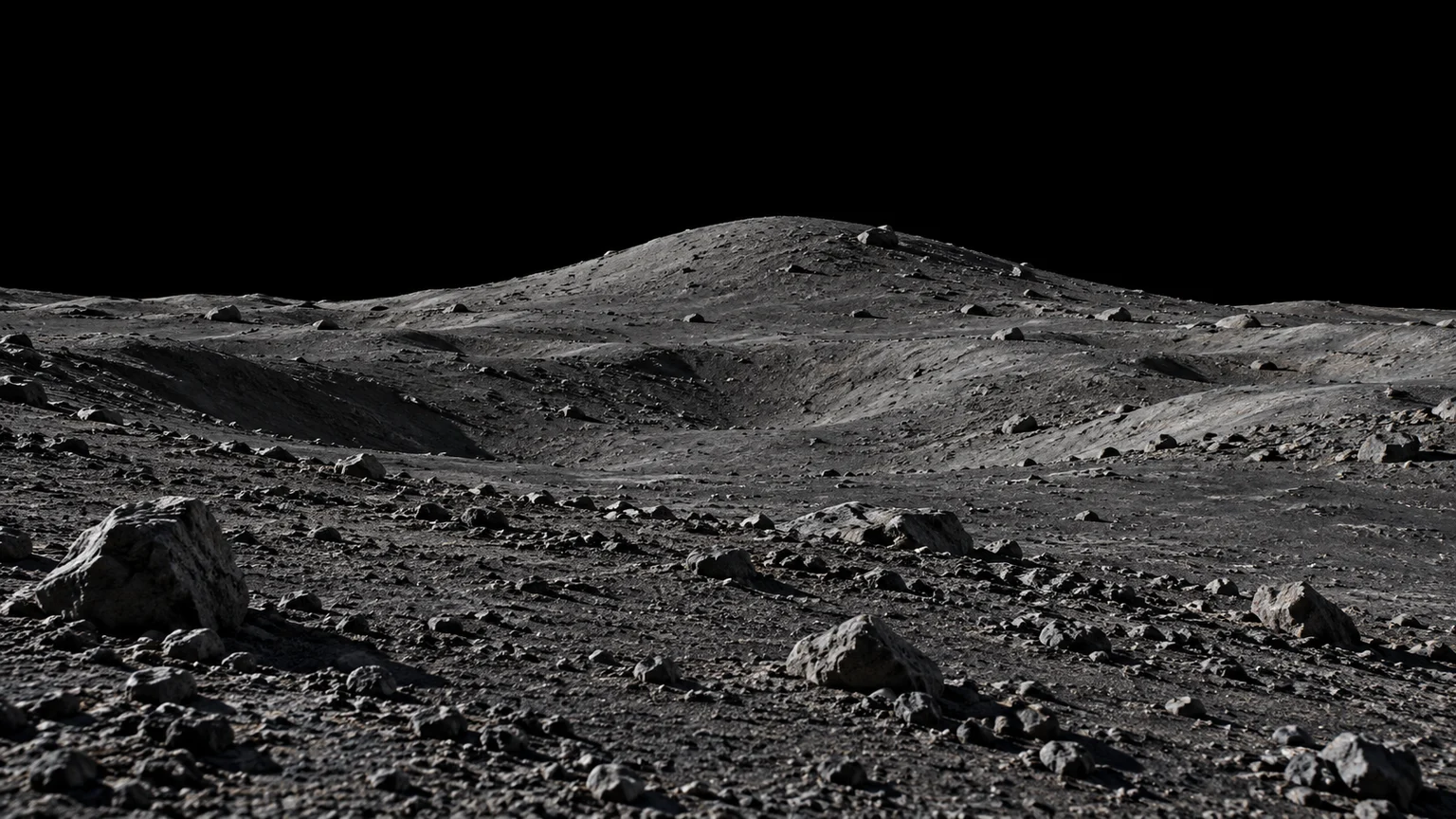
    An artistic reconstruction of Naiad’s unresolved local terrain. All crater forms, fragments and surface textures are imagined.

    An imagined view across Naiad’s uneven exterior. The terrain and illumination are illustrative, not a spacecraft panorama.

    Toward a rounded rise

    An imagined view across Naiad’s uneven exterior. The terrain and illumination are illustrative, not a spacecraft panorama.

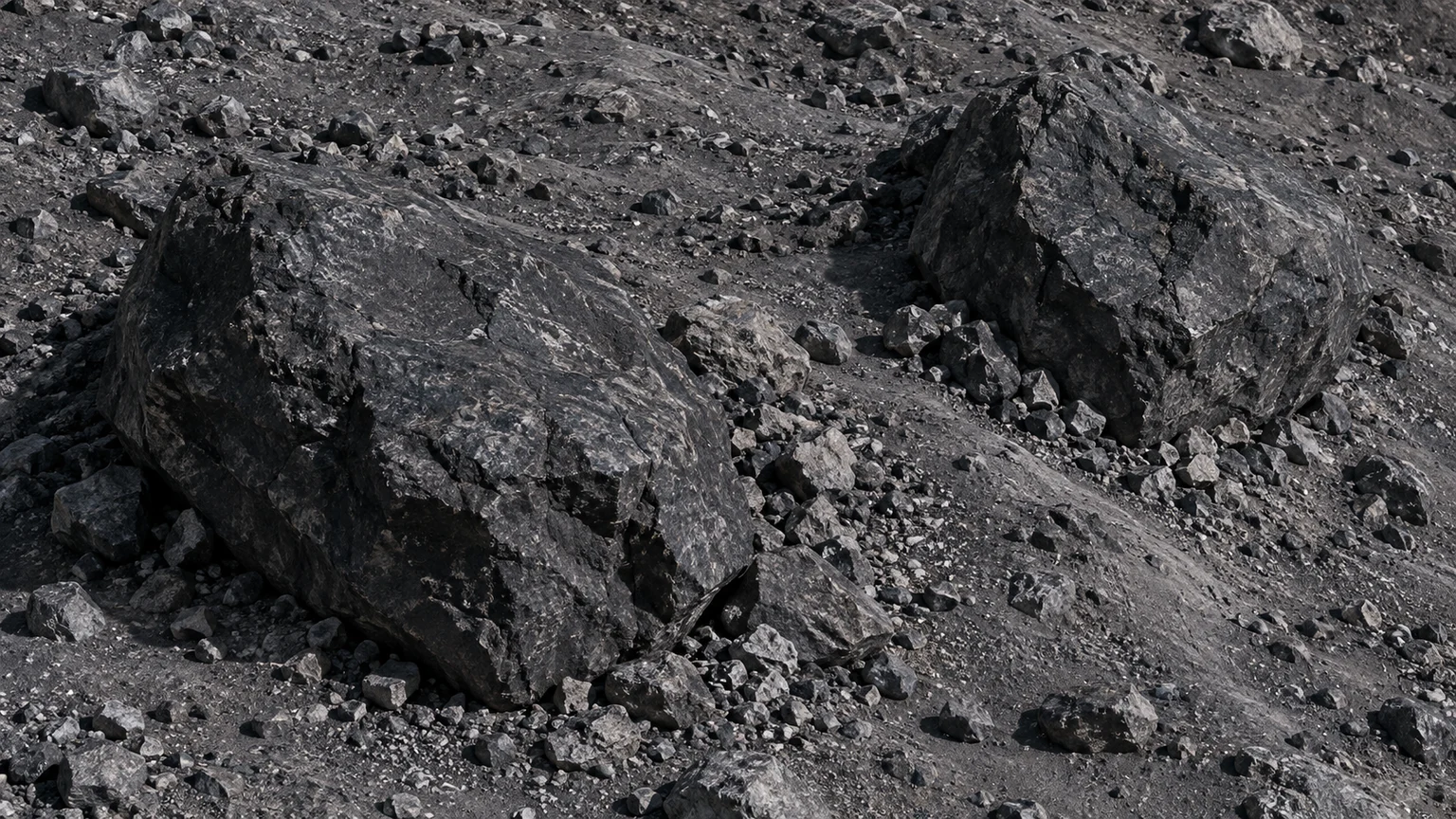
    A pair of dark squat boulders with pebbles gathered at their bases. An artistic reconstruction of Naiad; local detail, lighting and viewpoint are imagined.

    Surface fragments in close view

    A pair of dark squat boulders with pebbles gathered at their bases. An artistic reconstruction of Naiad; local detail, lighting and viewpoint are imagined.